International Affairs Desk
International Affairs Bills
7 bills in the International Affairs desk, ordered for current relevance and readability.
International AffairsHR-36-119Latest action: May 6, 20250 readersPassed Chamber
MEGOBARI Act
Sponsored by Joe Wilson
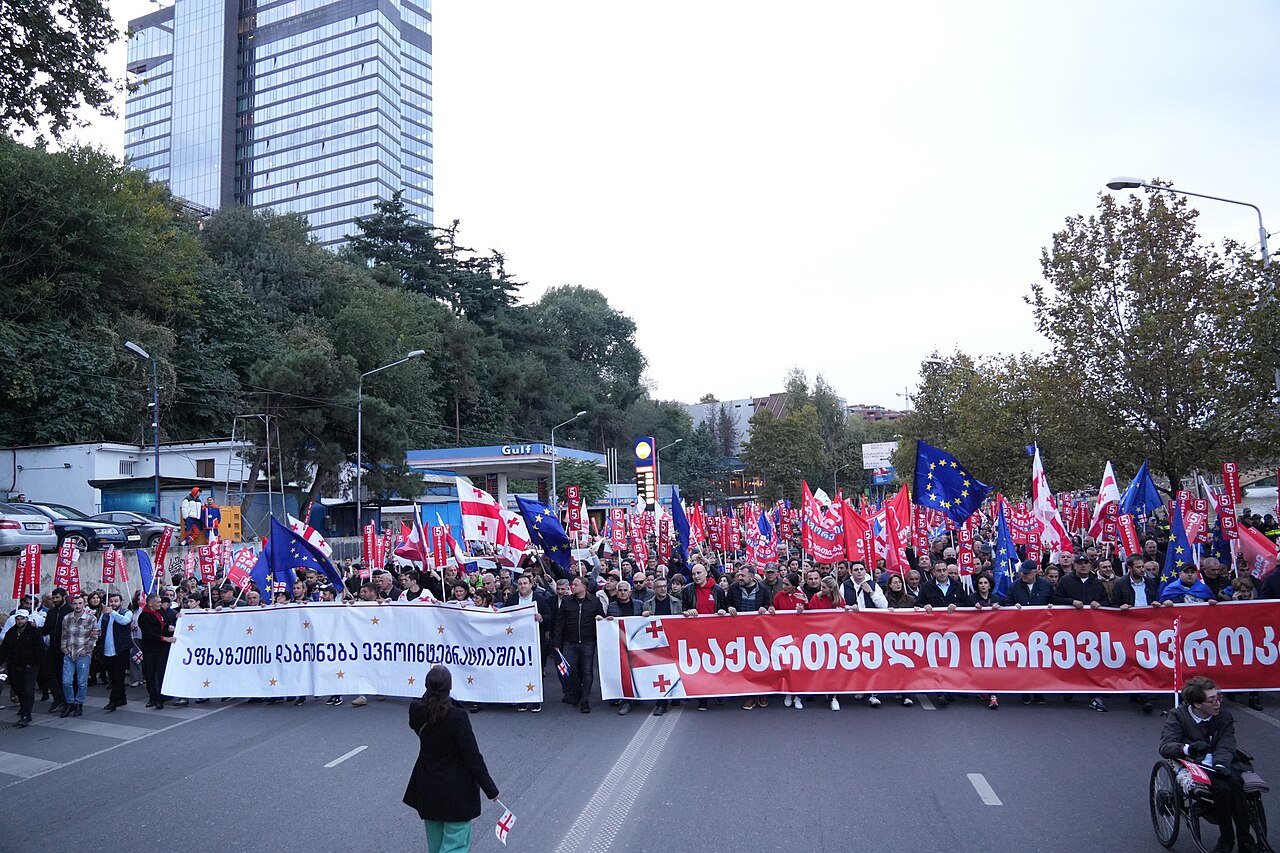
The United States has long supported Georgia's democratic development and Euro-Atlantic integration following the country's independence from the Soviet Union. However, in recent years, Georgia has experienced significant democratic backsliding, including restrictions on civil society, independent media, and opposition parties. Simultaneously, the Georgian government has strengthened ties with Russia, China, and other authoritarian regimes while distancing itself from Western partners. The U.S. government has expressed concern that these trends undermine regional stability and contradict Georgia's constitutional commitment to European Union and NATO membership, which enjoys overwhelming public support among Georgian citizens. The MEGOBARI Act directs the Secretary of State to suspend the United States-Georgia Strategic Partnership Commission until the Georgian government demonstrates renewed commitment to democracy and Euro-Atlantic integration. The bill requires the State Department, in coordination with the Director of National Intelligence and the Secretary of Defense, to submit a classified report within 180 days examining Russian intelligence penetration in Georgia, including Chinese influence and potential Russian-Chinese cooperation. Additionally, the Secretary of State and the Administrator of the United States Agency for International Development must develop a comprehensive five-year strategy within 90 days outlining U.S. bilateral objectives, assessing Georgia's continued status as a top regional aid recipient, and evaluating whether to maintain current investment levels in Georgian projects and civil society support. The strategy will guide future U.S. assistance decisions and diplomatic engagement with Georgia. Implementation begins immediately upon enactment, with intelligence assessments and strategic planning completed within the specified timeframes. The bill does not specify new funding but directs agencies to evaluate existing assistance levels and determine whether current resource allocations remain appropriate given Georgia's political trajectory. These actions may influence Georgia's foreign policy orientation, affect bilateral trade and security cooperation, and signal U.S. commitment to supporting democratic governance and civil society in the region, potentially affecting other countries' calculations regarding Western engagement in Eastern Europe and the South Caucasus.
International Affairs
Latest updateMay 5, 2025
Passed/agreed to in House: On motion to suspend the rules and pass the bill Agreed to by the Yeas and Nays: (2/3 required): 349 - 42 (Roll no. 116). (text: CR H1824-1826)
International Affairs
International AffairsHR-23-119Latest action: Jan 28, 20251 readersPassed Chamber
Illegitimate Court Counteraction Act
Sponsored by Chip Roy
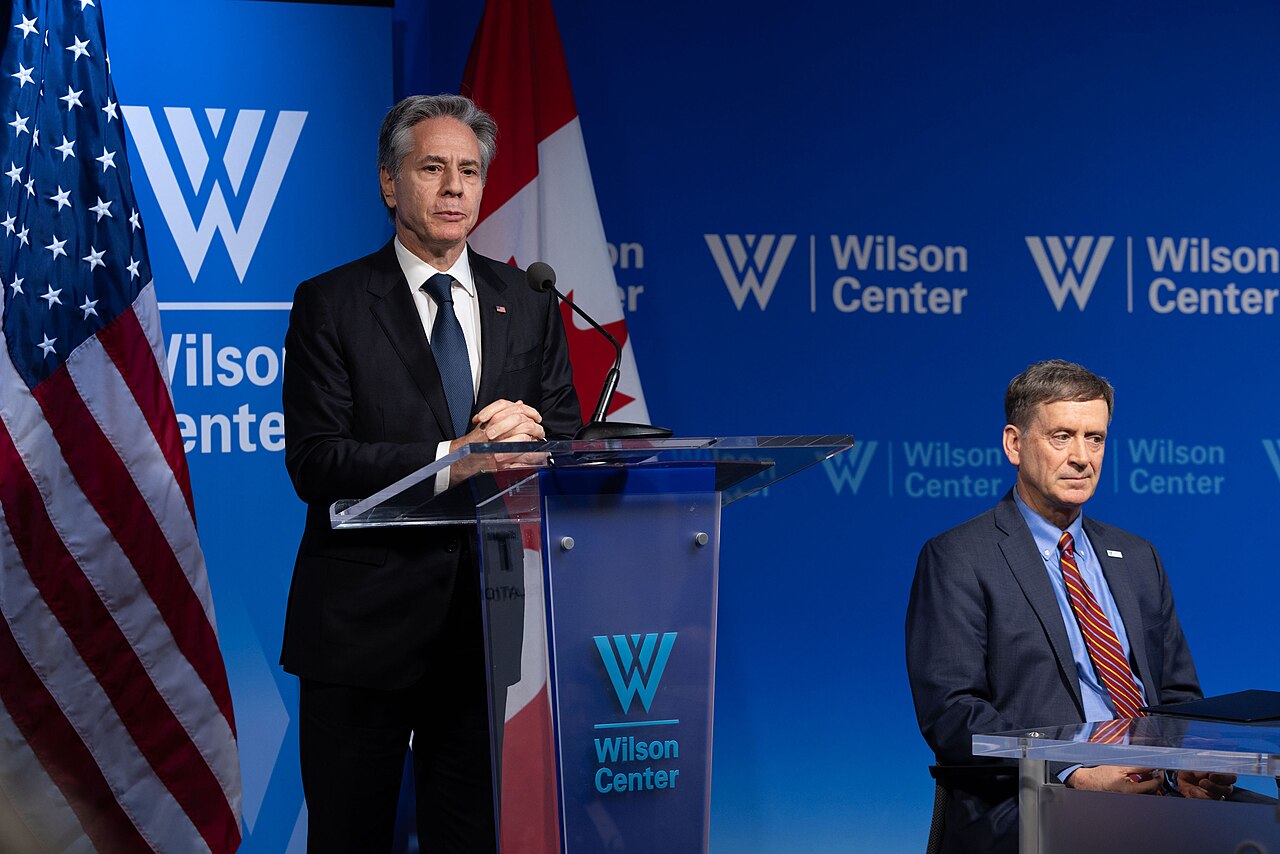
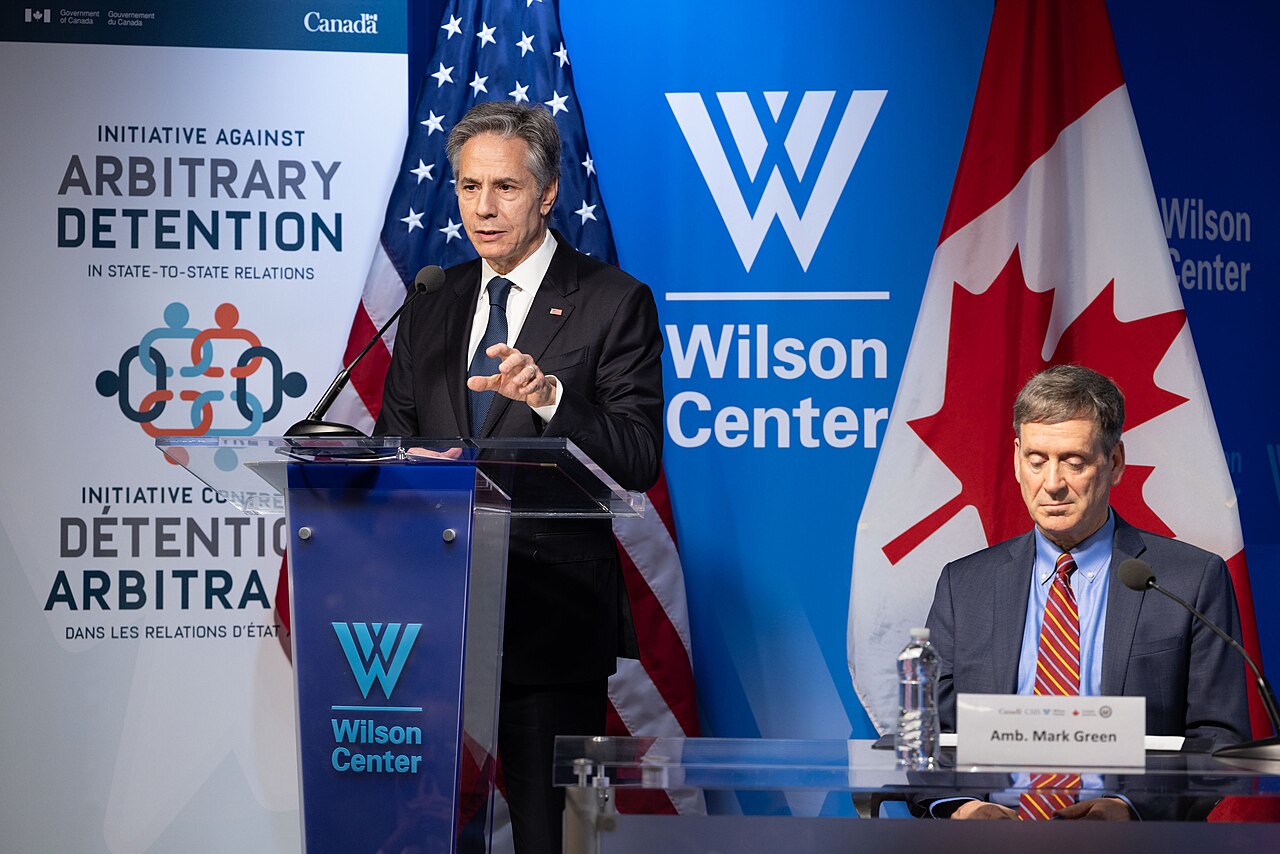
The United States is not a party to the Rome Statute and does not recognize the International Criminal Court's jurisdiction over American citizens or officials. Since 2002, the American Servicemembers' Protection Act has shielded U.S. military personnel and government officials from ICC prosecution. However, in 2024, the ICC issued arrest warrants for Israeli officials, prompting concerns that the court may expand its reach beyond its intended scope and threaten U.S. interests and those of allied nations that have similarly declined to join the ICC. The Illegitimate Court Counteraction Act directs the President to impose sanctions on any foreign person or entity that assists the ICC in investigating, arresting, detaining, or prosecuting protected persons—defined as U.S. citizens, officials, military personnel, and citizens or officials of NATO members and major non-NATO allies who have not consented to ICC jurisdiction. Sanctions include freezing assets within U.S. territory or control, rendering individuals inadmissible to the United States, and revoking existing visas. The President must notify Congress within 10 days of imposing sanctions and may waive them for 90-day periods if national security requires it, though such waivers require detailed written justification to Congress. The bill takes effect immediately upon enactment and rescues all existing appropriations for the ICC while prohibiting future federal funding. The President may terminate sanctions only if the ICC ceases all investigations, arrests, detentions, or prosecutions of protected persons and permanently closes related proceedings. The Department of State and Treasury would implement asset freezes and visa revocations through existing authorities under the International Emergency Economic Powers Act. Violations carry civil and criminal penalties. The practical effect is to create financial and diplomatic pressure on ICC personnel and supporters while cutting U.S. financial support for the institution.
International Affairs
Latest updateJan 9, 2025
Passed/agreed to in House: On passage Passed by the Yeas and Nays: 243 - 140, 1 Present (Roll no. 7). (text: CR H67-69)
International Affairs
International AffairsHRES-16-119Latest action: Jan 6, 20250 readersIn Committee
Recognizing Russian actions in Ukraine as a genocide.
Sponsored by Steve Cohen
The Genocide Convention, which the United States ratified in 1951, defines genocide as acts committed with intent to destroy a national, ethnic, racial, or religious group. These acts include killing members, causing serious bodily or mental harm, deliberately inflicting conditions to destroy the group physically, imposing measures to prevent births, and forcibly transferring children. The convention obligates signatory nations to prevent and punish genocide whether committed in peace or war. Currently, no formal U.S. government determination has been made that Russian actions in Ukraine constitute genocide under this international legal framework, though extensive documentation of alleged atrocities has been compiled by human rights organizations and international bodies. This resolution directs the House of Representatives to formally condemn the Russian Federation for committing acts of genocide against the Ukrainian people and to call on the United States, working with NATO and European Union allies, to undertake measures supporting the Ukrainian Government to prevent further acts of Russian genocide. The resolution supports international tribunals and criminal investigations to hold Russian political leaders and military personnel accountable for war crimes, crimes against humanity, and genocide. The resolution bases this determination on documented evidence of mass killings of civilians, systematic sexual violence, deliberate destruction of civilian infrastructure and food supplies, targeting of maternity hospitals, and forced displacement of millions of Ukrainian civilians to Russia or Russian-controlled territories. As a House resolution, this measure expresses the legislative body's sense and does not create binding legal obligations or require executive action by federal agencies. However, it signals congressional intent regarding U.S. foreign policy toward Russia and Ukraine. The resolution may influence diplomatic messaging, support for international accountability mechanisms, and future legislative efforts related to sanctions or military assistance. Implementation would depend on decisions by the Department of State and other executive agencies regarding how to operationalize congressional support for tribunals and investigations, potentially through increased funding for documentation efforts or diplomatic pressure on international bodies.
International Affairs
Latest updateJan 6, 2025
Submitted in House
International Affairs
International AffairsHRES-9-119Latest action: Jan 3, 20252 readersIn Committee
Reaffirming that the United States is not a party to the Rome Statute and does not recognize the jurisdiction of the International Criminal Court.
Sponsored by Andy Biggs
The United States signed the Rome Statute, which established the International Criminal Court, in 2000, but the Senate never ratified it. In 2002, the Bush administration formally stated the country would not pursue ratification. As a result, the U.S. is not bound by the court's jurisdiction and does not recognize its authority over American citizens or officials. The ICC operates as an independent international body with 123 member states, but the U.S. has maintained a position of non-participation for over two decades. This resolution directs the House of Representatives to reaffirm three positions: that the United States is not a party to the Rome Statute, that it does not recognize the jurisdiction of the International Criminal Court, and that it does not accept the court's legitimacy. The resolution also condemns the ICC's issuance of arrest warrant applications for Israeli Prime Minister Benjamin Netanyahu and Defense Minister Yoav Gallant, and reiterates support for Israel's right to self-defense. The measure operates through legislative statement rather than legal mandate, expressing the chamber's formal stance on U.S. relations with the court. As a resolution rather than legislation, this action carries symbolic weight but does not change existing law or create new legal obligations. It requires no funding and has no implementation timeline. The resolution serves as an official congressional statement of position, reinforcing the executive branch's longstanding non-recognition policy. It does not prevent individual states or private entities from engaging with ICC processes, nor does it alter U.S. treaty obligations. The measure's primary effect is to document the House's formal opposition to ICC jurisdiction over Americans and allies.
International Affairs
Latest updateJan 3, 2025
Submitted in House

International Affairs
International AffairsHR-54-119Latest action: Jan 3, 20250 readersIn Committee
WHO Withdrawal Act
Sponsored by Andy Biggs
The United States joined the World Health Organization in 1948 through an act of Congress that authorized American membership and participation in the WHO Constitution. Since then, the U.S. has maintained continuous membership and contributed funding to the organization's operations. The WHO serves as the primary international coordinating body for global health emergencies, disease surveillance, and pandemic response, operating under a constitutional framework established by the United Nations. This bill directs the President to withdraw the United States from the WHO Constitution effective immediately upon enactment. It simultaneously prohibits all federal departments and agencies from using any available funds to support U.S. participation in the WHO or any successor organization. The bill repeals the Act of June 14, 1948, which originally authorized American membership and appropriations for the organization. The withdrawal takes effect on the date the bill becomes law, with no transition period specified. The repeal of the 1948 authorization removes the legal basis for federal funding of WHO activities. This eliminates U.S. financial contributions to the organization and ends American participation in WHO governance, decision-making, and health coordination mechanisms. The bill contains no provisions for winding down existing commitments, transferring data or programs, or managing the practical consequences of sudden withdrawal from international health infrastructure that the U.S. has participated in for over 75 years.
International Affairs
Latest updateJan 3, 2025
Referred to the House Committee on Foreign Affairs.
International Affairs
International AffairsHR-93-119Latest action: Jan 3, 20250 readersIn Committee
Stop Imposing Woke Ideology Abroad Act
Sponsored by Andy Biggs
The Department of State currently operates a Special Representative for Racial Equity and Justice position and maintains an Equity Action Plan that guides departmental initiatives related to racial equity and justice. This position and plan represent the State Department's institutional commitment to addressing equity concerns in its operations and foreign policy engagement. The position was established to coordinate efforts across the department and to integrate equity considerations into diplomatic work and international engagement. This bill prohibits the Department of State from obligating or expending any federal funds for the salary, expenses, or operations of the Special Representative for Racial Equity and Justice, effective immediately upon enactment. The bill also prohibits federal funding for implementing or carrying out the State Department's Equity Action Plan. These prohibitions apply notwithstanding any other provision of law, meaning they override existing statutory authorities or appropriations that might otherwise support these functions. The prohibition takes effect upon the bill's enactment with no transition period. Any funds previously appropriated for the position or plan would become unavailable for those purposes. The State Department would need to reallocate or return any unobligated funds designated for these activities. The elimination of this position would remove the dedicated coordinator for equity-related initiatives within the department, though other departmental offices could potentially continue equity-related work through their existing budgets if they chose to do so.
International Affairs
Latest updateJan 3, 2025
Referred to the House Committee on Foreign Affairs.
International Affairs
International AffairsHR-94-119Latest action: Jan 3, 20250 readersIn Committee
To terminate the designation of the Islamic Republic of Pakistan as a major non-NATO ally, and for other purposes.
Sponsored by Andy Biggs
The United States has designated Pakistan as a major non-NATO ally since 2004, a status that grants it preferential access to military aid, defense technology, and security cooperation benefits under the Foreign Assistance Act of 1961. This designation reflects a strategic partnership aimed at supporting counterterrorism efforts and regional stability. However, critics have raised concerns about Pakistan's commitment to combating certain militant groups, particularly the Haqqani Network, which operates across the Afghanistan-Pakistan border and has been linked to attacks on U.S. and Afghan forces. This bill terminates Pakistan's major non-NATO ally designation effective upon enactment. The President may not restore this designation unless he submits to Congress a certification demonstrating that Pakistan is conducting sustained military operations disrupting the Haqqani Network's safe haven and freedom of movement; has taken concrete steps to prevent the group from using Pakistani territory as a base; actively coordinates with Afghanistan to restrict militant movement across their shared border; and has made measurable progress in arresting and prosecuting Haqqani Network leaders and operatives. The termination takes effect immediately upon the bill's enactment, ending Pakistan's preferential status in defense cooperation and military assistance programs. The bill does not specify a funding source because it removes rather than creates spending obligations. The practical effect is that Pakistan would lose access to expedited military sales, certain defense technologies, and streamlined security cooperation mechanisms until the President certifies the four conditions to Congress. This could reshape U.S.-Pakistan military relations and potentially affect counterterrorism coordination in the region.
International Affairs
Latest updateJan 3, 2025
Referred to the House Committee on Foreign Affairs.

International Affairs