Bills Desk
Latest Bills
252 bills from the 119th Congress, led by the newest arrivals from Capitol Hill.
ImmigrationHR-175-119Latest action: Jun 3, 20265 readersIn Committee
Deport Alien Gang Members Act
Sponsored by Tom McClintock
Under current immigration law, the Department of Homeland Security can remove aliens convicted of crimes of violence, drug trafficking, and certain other serious offenses. However, gang membership itself is not explicitly listed as a ground for inadmissibility or deportation. While immigration officers can consider gang affiliation as evidence of criminal activity, there is no standalone legal basis to deny entry or remove someone solely because they are associated with a criminal organization. This gap means that individuals with gang ties but no qualifying criminal conviction may remain in the country or enter it. The Deport Alien Gang Members Act amends the Immigration and Nationality Act to establish criminal gang membership as an independent ground for both inadmissibility and deportation. The Department of Homeland Security, in consultation with the Attorney General, gains authority to designate groups of five or more persons as criminal gangs if they engage in drug trafficking, firearms offenses, crimes of violence, human trafficking, fraud, or related conduct. Any alien who is or has been a gang member, or who has promoted, conspired with, or participated in gang activities—whether inside or outside the United States—becomes deportable. Immigration officers, consular officers, and DHS officials can deny entry or initiate removal based on reasonable belief of gang association, without requiring proof of a specific criminal conviction. The designation process requires DHS to notify Congress seven days before publishing a gang designation in the Federal Register. Designated groups may petition for revocation after two years, and DHS must review designations every five years. Classified information may be used in designations and withheld from the designated group, though courts can review it in camera. Once a designation takes effect, aliens in removal proceedings cannot challenge its validity as a defense. The bill provides no new funding but directs existing DHS and Department of Justice resources toward implementation. Removal proceedings for gang-affiliated aliens would proceed through existing immigration courts, potentially increasing caseloads.
Immigration
Latest updateJun 3, 2026
Ordered to be Reported Adversely (Amended) by the Yeas and Nays: 15 - 8.

Immigration
LawHJRES-1-119Latest action: Jun 3, 20262 readersIn Committee
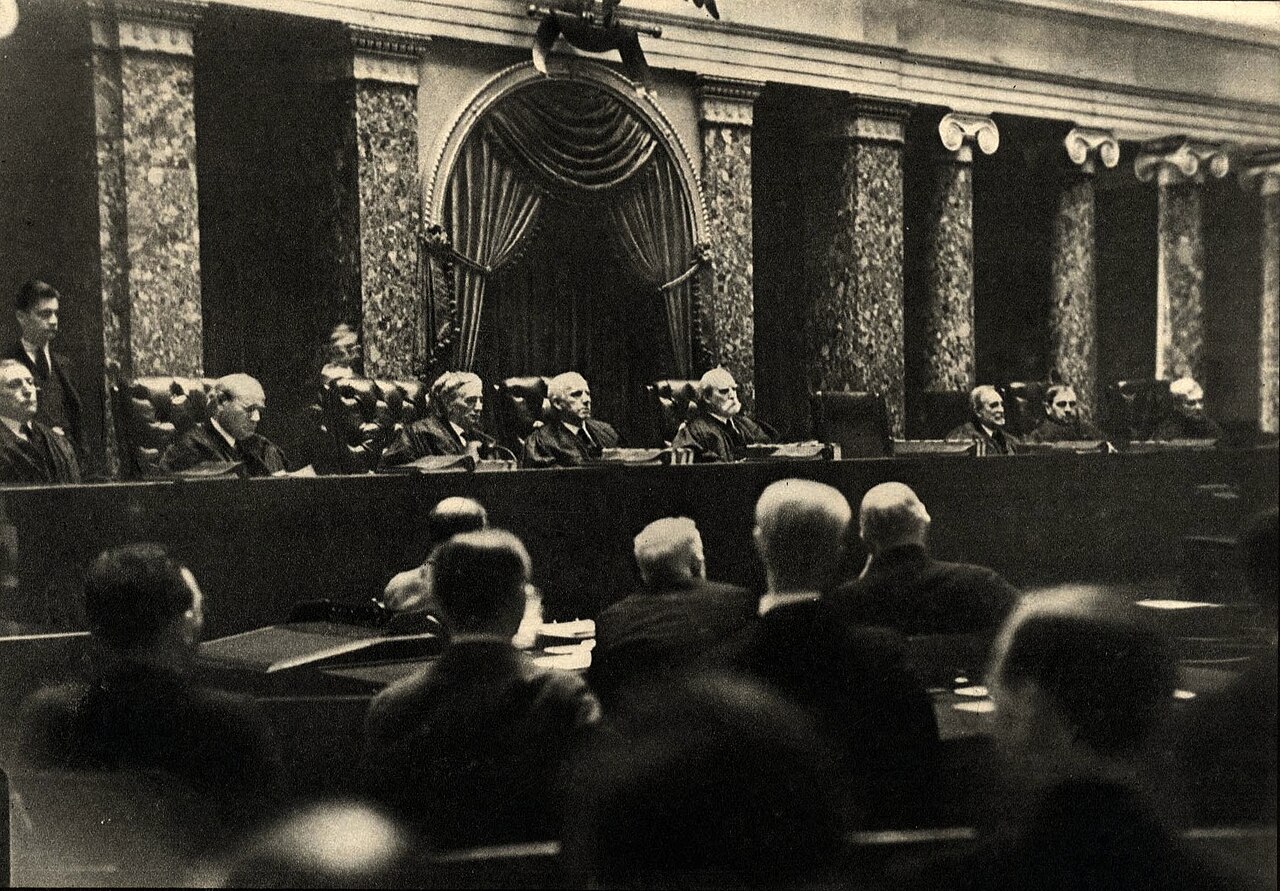
Proposing an amendment to the Constitution of the United States to require that the Supreme Court of the United States be composed of nine justices.
Sponsored by Andy Biggs
Currently, the U.S. Constitution does not specify the exact number of Supreme Court justices. The number has varied over time, with the Judiciary Act of 1869 establishing six associate justices, making a total of nine justices. This number has remained unchanged since then, but it is not constitutionally mandated. This bill proposes an amendment to the Constitution to mandate that the Supreme Court be composed of nine justices: one chief justice and eight associate justices. The amendment would require the approval of two-thirds of both the House of Representatives and the Senate, followed by ratification by three-fourths of the state legislatures. If ratified, this amendment would ensure that the Supreme Court maintains a consistent number of nine justices. This change would provide stability and predictability in the Court's composition, potentially affecting how cases are heard and decided. The amendment would not alter the existing roles or powers of the justices but would solidify the current structure of the Court.
Law
Latest updateJun 3, 2026
Ordered to be Reported by the Yeas and Nays: 15 - 8.
Law
Public Lands and Natural ResourcesHR-184-119Latest action: May 21, 20264 readersIn Committee
Action Versus No Action Act
Sponsored by Tom McClintock
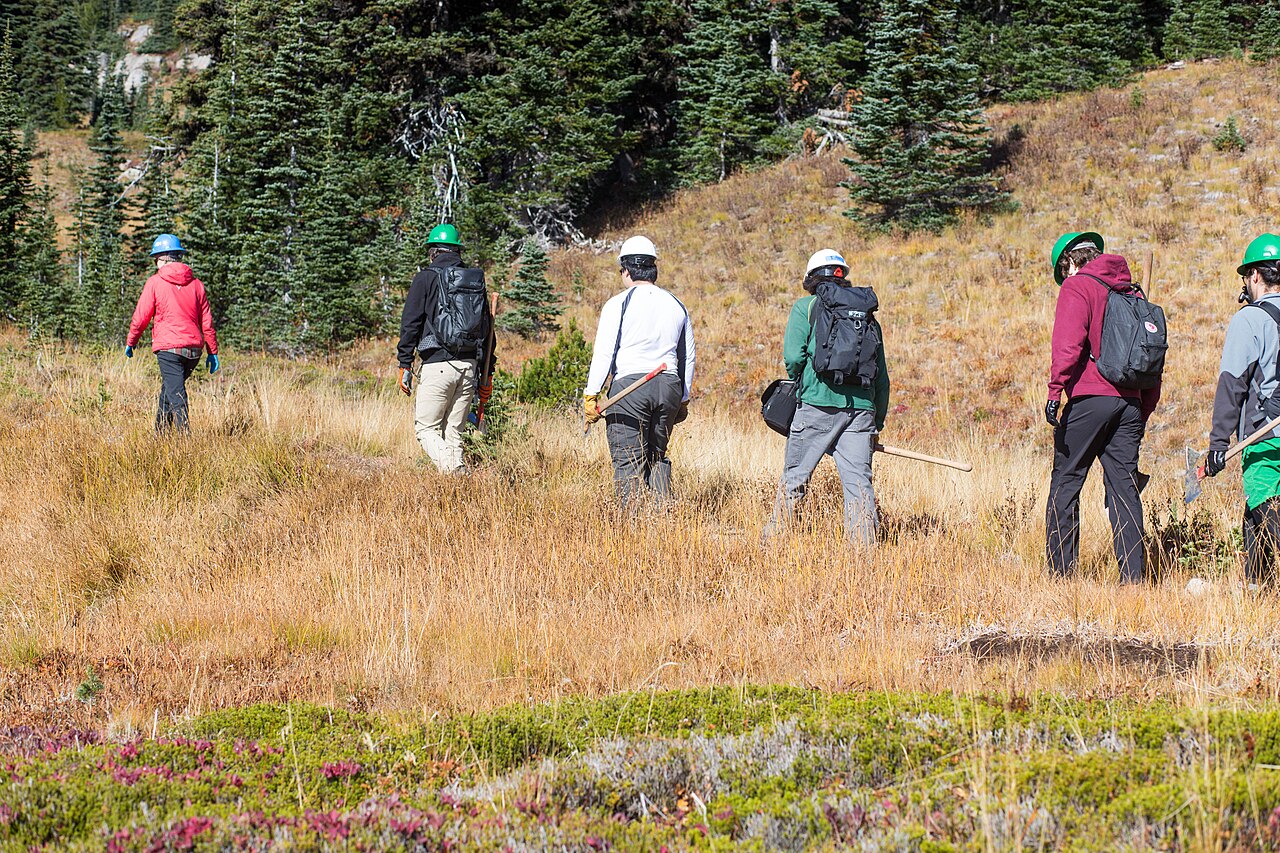
Under the National Environmental Policy Act of 1969 (NEPA), federal agencies must prepare environmental assessments or environmental impact statements before approving major forest management projects. These documents typically analyze multiple alternatives to the proposed action, allowing decision-makers and the public to compare different approaches. Currently, agencies have discretion to develop and evaluate numerous alternatives—ranging from modest modifications to the proposal through substantially different management strategies—based on what they determine is reasonable and necessary to inform the decision. The Action Versus No Action Act requires the Department of Agriculture and Department of the Interior to narrow this analysis significantly for certain collaborative forest management activities on timber-suitable lands. When a forest project meets specific criteria—including those developed through collaborative processes, proposed by resource advisory committees, covered by community wildfire protection plans, or designated under the Healthy Forests Restoration Act—the responsible Secretary must study and describe only two alternatives: the proposed forest management activity itself, and the alternative of taking no action. The "no action" alternative must evaluate potential effects on forest health, wildfire risk, insect and disease potential, habitat diversity, timber production, and property losses, as well as downstream implications for water supply and wildlife habitat. Implementation begins upon enactment with no specified funding requirement, as the bill modifies existing NEPA procedures rather than creating new programs. Agencies will apply this two-alternative framework to qualifying projects going forward, potentially streamlining environmental review timelines. The change affects how federal land managers present options to the public and decision-makers, reducing the range of alternatives formally analyzed in environmental documents for projects meeting the bill's criteria. This may accelerate approval of collaborative forest management proposals while limiting consideration of alternative management approaches in the formal environmental review process.
Public Lands and Natural Resources
Latest updateMay 12, 2026
Referred to the Subcommittee on Federal Lands.
Public Lands and Natural Resources
Environmental ProtectionHR-161-119Latest action: Apr 28, 202621 readersIn Committee
New Source Review Permitting Improvement Act
Sponsored by H. Griffith
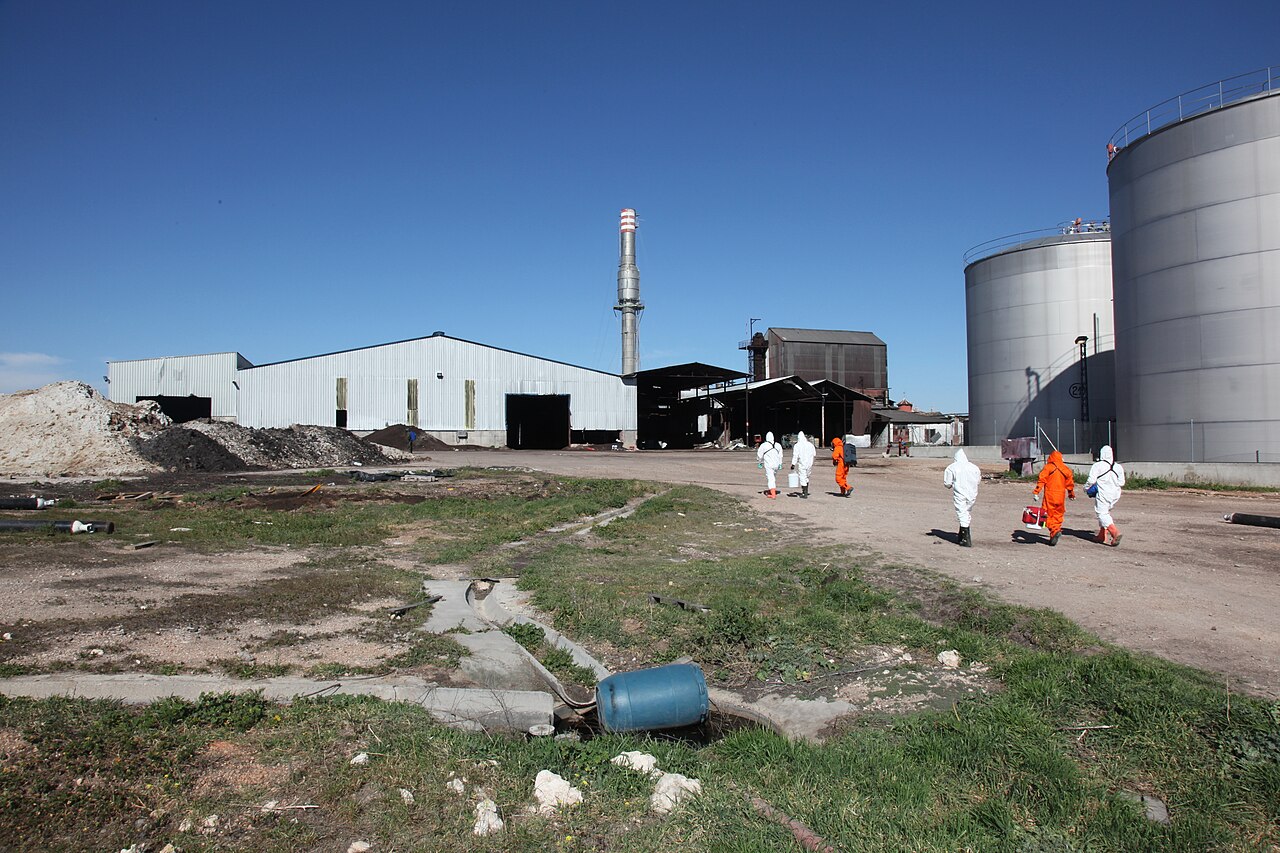
Under the Clean Air Act, industrial facilities must obtain permits before making physical changes or operational modifications that increase air pollution emissions. The Environmental Protection Agency (EPA) currently determines whether a change qualifies as a "modification" requiring a new permit by comparing the facility's maximum hourly emission rate before and after the change. This framework has created regulatory uncertainty, with disputes over whether routine maintenance, efficiency upgrades, or safety improvements trigger permitting requirements. Facilities and regulators have disagreed about how to measure emission increases and whether certain operational changes constitute modifications subject to federal oversight. The New Source Review Permitting Improvement Act amends the Clean Air Act to narrow the definition of modifications that trigger permitting requirements. The EPA must now measure emission increases by comparing the maximum achievable hourly emission rate in the 10-year period before a change to the rate after the change. The bill exempts changes designed to reduce emissions per unit of production or to maintain facility reliability and safety from modification status—unless the EPA determines the change would cause adverse health or environmental effects. For construction activities, the bill limits permitting requirements to physical construction of discrete emissions units, excluding other costly or permanent on-site activities that do not directly involve the emissions unit itself. These changes take effect immediately upon enactment, with no new funding required. The EPA will apply the revised definitions to pending and future permit applications. Facilities undertaking efficiency improvements, pollution controls, or safety upgrades will face reduced permitting burdens, though the EPA retains authority to require permits when it determines health or environmental risks exist. The narrower construction definition may reduce permitting delays for major industrial projects, though facilities must still demonstrate compliance with state implementation plans in areas not meeting federal air quality standards. The bill includes a rule of construction preserving the EPA's authority to treat changes as modifications under pre-existing interpretations if warranted by circumstances.
Environmental Protection
Latest updateApr 28, 2026
Reported (Amended) by the Committee on Energy and Commerce. H. Rept. 119-625.
Environmental Protection
Government Operations and PoliticsHR-151-119Latest action: Apr 21, 20264 readersIn Committee
Equal Representation Act
Sponsored by Chuck Edwards
The decennial census, conducted every ten years by the Census Bureau, currently counts all persons residing in the United States regardless of citizenship status. This total population count is then used to apportion House seats among the states under the Apportionment Act of 1929. The Constitution requires that Representatives be apportioned among the states according to their respective numbers, but does not specify whether this count should include only citizens or all residents. Currently, the apportionment formula excludes only Native Americans not taxed, meaning noncitizens—including undocumented immigrants and temporary visa holders—are counted in the population figures that determine each state's representation. The Equal Representation Act requires the Census Bureau to add a citizenship question to the 2030 decennial census and all subsequent censuses, asking respondents to indicate whether they and household members are U.S. citizens. The Census Bureau must then publicly report the number of citizens and noncitizens by state within 120 days of completing the census. The bill also amends the Apportionment Act of 1929 to exclude noncitizens from the population count used to determine how many House seats each state receives, alongside the existing exclusion of Native Americans not taxed. The citizenship data collection begins with the 2030 census, but the apportionment change takes effect only after that census is completed and reported. States with larger noncitizen populations—particularly in the Southwest, parts of California, and urban centers—would lose House seats under the new formula, while states with smaller noncitizen populations would gain seats. The bill includes a severability clause protecting the remaining provisions if any part is struck down as unconstitutional. No new funding is explicitly authorized, as the Census Bureau already conducts the decennial census; the citizenship question would be added to existing survey operations.
Government Operations and Politics
Latest updateApr 21, 2026
Reported (Amended) by the Committee on Oversight and Government Reform. H. Rept. 119-619.
Government Operations and Politics
Native AmericansHR-41-119Latest action: Apr 2, 20264 readersIn Committee
Unrecognized Southeast Alaska Native Communities Recognition and Compensation Act
Sponsored by Nicholas Begich
The Alaska Native Claims Settlement Act of 1971 established a framework for recognizing Alaska Native villages and corporations, providing them with land and financial settlements. However, five southeastern Alaska communities—Haines, Ketchikan, Petersburg, Tenakee, and Wrangell—were omitted from this original settlement structure. These communities have remained unrecognized under federal law, unable to form Native corporations or receive land entitlements that other Alaska Native communities obtained decades ago. This exclusion has left Alaska Natives in these communities without the same legal standing and economic benefits available to their counterparts elsewhere in Alaska. This bill amends the Alaska Native Claims Settlement Act to authorize the five southeastern communities to establish Urban Corporations and receive land compensation. The Department of the Interior shall enroll eligible Alaska Natives from each community as shareholders in their respective Urban Corporations, granting each shareholder 100 shares of Settlement Common Stock. The bill also directs the Secretary of the Interior to convey approximately 23,040 acres of federal surface land to each of the five Urban Corporations—totaling roughly 115,200 acres—while conveying the subsurface (mineral) rights to the existing Regional Corporation for Southeast Alaska. These conveyances shall be considered full satisfaction of the communities' entitlements under the Act. The land conveyances must be completed within two years of each Urban Corporation's incorporation, though the Secretary may extend this deadline by up to one year for individual parcels pending appeal of easement decisions. The federal land is withdrawn from mining claims, mineral leasing, and other forms of disposition until conveyed. Shareholders in the new Urban Corporations will continue receiving distributions from the Regional Corporation for Southeast Alaska as at-large shareholders. The bill explicitly protects existing Native Corporation entitlements and does not alter revenue-sharing ratios among Alaska Native corporations, ensuring that recognizing these five communities does not diminish benefits to other established corporations.
Native Americans
Latest updateApr 2, 2026
Reported (Amended) by the Committee on Natural Resources. H. Rept. 119-579.
Native Americans
Armed Forces and National SecurityHR-210-119Latest action: Mar 18, 20264 readersIn Committee
Dental Care for Veterans Act
Sponsored by Julia Brownley
Currently, the Department of Veterans Affairs provides dental care only to veterans with service-connected dental conditions, those with significant service-connected disabilities, former prisoners of war, and veterans receiving care for a service-connected condition that affects their ability to chew or swallow. This limited eligibility means most veterans must pay out-of-pocket for routine dental services or seek care through private insurance. The VA's dental program operates under separate statutory authority from other medical services, creating a two-tiered system where dental care is treated differently than primary care, surgery, or other treatments veterans receive at VA facilities. The Department of Veterans Affairs must amend its regulations to furnish dental care to all eligible veterans in the same manner as any other medical service covered under chapter 17 of title 38. The bill removes the statutory restrictions that currently limit dental eligibility and eliminates section 2062, which previously authorized separate dental benefit rules. This change reclassifies dental care as a standard VA medical benefit rather than a specialized service with restricted access. The VA will no longer distinguish between dental and other medical services when determining which veterans qualify for coverage. The expansion phases in over four years to manage implementation. Veterans already eligible for VA dental care begin immediately. Veterans in priority groups 1 and 2 gain access one year after enactment; groups 3 and 4 after two years; groups 5 and 6 after three years; and groups 7 and 8 after four years. The bill does not specify new funding but directs the VA to absorb dental services into its existing medical budget. This phased approach allows the VA to scale up dental infrastructure—hiring providers, expanding clinics, and purchasing equipment—without overwhelming existing capacity.
Armed Forces and National Security
Latest updateFeb 6, 2025
Referred to the Subcommittee on Health.

Armed Forces and National Security
Public Lands and Natural ResourcesHR-204-119Latest action: Mar 4, 20260 readersPassed Chamber
ACRES Act
Sponsored by Thomas Tiffany
The Department of Agriculture and Department of the Interior currently track hazardous fuels reduction activities—vegetation management work like prescribed burns and mechanical thinning designed to reduce wildfire risk—but lack standardized reporting methods across their agencies and regions. This inconsistency makes it difficult for Congress and the public to assess how much work is actually being completed, where it occurs, and whether it effectively reduces wildfire danger. Different field offices use different data systems and definitions, creating gaps in accountability and making budget decisions harder to justify. The ACRES Act requires the Secretary of Agriculture (for National Forest System lands) and the Secretary of the Interior (for public lands and National Park System units) to implement standardized procedures for tracking hazardous fuels reduction activities within 90 days of enactment. Beginning with the next fiscal year budget submission, both secretaries must include detailed annual reports showing the number of acres treated, broken down by location (including proximity to homes and communities), wildfire risk level before and after treatment, activity type, cost per acre, and effectiveness data. The reports must be made publicly available on both departments' websites, and each acre is counted only once even if multiple treatments occur there. Within two weeks of implementing the new tracking procedures, each secretary must report to Congress on their standardized methods and recommend any policy changes needed to improve data collection. The Government Accountability Office will conduct a two-year study assessing implementation challenges and submit findings to Congress. The bill requires no new funding—agencies must absorb these reporting and tracking duties within existing budgets. Over time, this standardized approach should enable better comparison of hazardous fuels work across regions and clearer measurement of whether treatments actually reduce wildfire risk.
Public Lands and Natural Resources
Latest updateJan 21, 2025
Passed/agreed to in House: On motion to suspend the rules and pass the bill Agreed to by voice vote. (text: CR H244-245)
Public Lands and Natural Resources
Public Lands and Natural ResourcesHR-34-119Latest action: Feb 10, 20260 readersIn Committee
LASSO Act
Sponsored by Paul Gosar
The federal government currently collects substantial revenue from public lands through activities like oil and gas leasing, timber sales, grazing permits, and recreational fees. These revenues are managed by the Department of the Interior and the Department of Agriculture's Forest Service. Historically, most of this revenue has been allocated to land management, conservation programs, state payments, and tribal distributions. The Social Security Trust Fund, which finances retirement and disability benefits, faces long-term solvency challenges as the ratio of workers to beneficiaries declines. The LASSO Act requires the Department of the Interior and the Department of Agriculture to deposit 10 percent of annual revenue collected from covered public lands into the Federal Old-Age and Survivors Trust Fund. Covered public lands include all lands under Interior Department jurisdiction—including federal onshore lands and submerged lands on the Outer Continental Shelf—as well as lands managed by the Forest Service. The bill explicitly prohibits the secretaries from raising prices on public land activities to generate additional revenue and protects existing payments to states, Indian tribes, territories, and local governments, ensuring those distributions remain unchanged. Implementation begins in the fiscal year following enactment, with 10 percent of prior-year collections redirected annually. The funding source is existing public land revenue, not new appropriations. This mechanism diverts a portion of revenue that would otherwise support land management budgets, conservation initiatives, and state-tribal revenue sharing. The downstream effect reduces available funding for Department of the Interior and Forest Service operations unless Congress appropriates additional funds to offset the diversion. The Social Security Trust Fund receives a recurring revenue stream, though the amount fluctuates based on annual public land revenues, which vary with commodity prices and leasing activity.
Public Lands and Natural Resources
Latest updateFeb 3, 2026
Referred to the Subcommittee on Federal Lands.
Public Lands and Natural Resources
Housing and Community DevelopmentHR-224-119Latest action: Jan 20, 202629 readersEnacted
Disabled Veterans Housing Support Act
Sponsored by Monica De La Cruz
Under the Housing and Community Development Act of 1974, states, local governments, and Indian tribes use income thresholds to determine eligibility for federal housing assistance programs. Currently, when calculating whether someone qualifies as low-income or moderate-income, these entities count all sources of income, including service-connected disability compensation paid by the Department of Veterans Affairs. This means disabled veterans receiving VA disability payments may be deemed ineligible for housing assistance programs because their total income exceeds program limits, even though much of that income is specifically designated to compensate for service-related injuries rather than general earning capacity. The Disabled Veterans Housing Support Act amends section 102(a)(20) of the Housing and Community Development Act of 1974 to require states, units of local government, and Indian tribes to exclude service-connected disability compensation from income calculations when determining eligibility for low-income and moderate-income housing programs. This change means that when assessing whether a disabled veteran qualifies for federal housing assistance, administrators must disregard VA disability payments and count only other income sources. The Department of Veterans Affairs compensation remains excluded regardless of the amount or the veteran's other financial circumstances. The Government Accountability Office must submit a report to Congress within one year examining how service-connected disability compensation is treated across all Department of Housing and Urban Development programs. The report will identify any inconsistencies between the new exclusion requirement and existing HUD program rules, then recommend legislative changes to align other HUD programs with this veteran-focused approach. These recommendations aim to ensure disabled veterans receive consistent treatment across federal housing assistance initiatives and improve access to housing support for veteran populations and underserved communities.
Housing and Community Development
Latest updateJan 20, 2026
Became Public Law No: 119-70.
Housing and Community Development
Water Resources DevelopmentHR-131-119Latest action: Jan 8, 20264 readersTo President
Finish the Arkansas Valley Conduit Act
Sponsored by Lauren Boebert
The Arkansas Valley Conduit is a water infrastructure project in Colorado authorized under the Reclamation Act of 1939 and subsequent legislation. Currently, the project's repayment terms allow for payment of 35 percent of construction costs through a combination of user payments and revenue from excess capacity contracts on the Fryingpan-Arkansas project. However, the existing repayment structure does not clearly specify how financial hardship should be assessed or how the repayment period should be structured, creating uncertainty for water districts and communities seeking to finance the conduit's completion. This bill amends Public Law 87-590 to establish clearer repayment terms for the Arkansas Valley Conduit. The Department of the Interior, through the Bureau of Reclamation, is directed to structure the repayment contract to require payment of 35 percent of construction costs, with the remaining balance repayable over up to 75 years at a reduced interest rate—50 percent of the Treasury rate—based on a demonstration of financial hardship by the contracting parties. The bill also requires that contracting parties assume full responsibility for the care, operation, maintenance, and replacement of the conduit once constructed. Implementation begins upon enactment, with the Bureau of Reclamation establishing financial hardship criteria and finalizing repayment contracts with water districts and municipalities. Funding for the initial 35 percent of costs must come from non-federal sources or entities other than the Secretary of the Interior. The reduced interest rate and extended repayment period lower annual debt service obligations for participating water districts, making the project more financially feasible for rural and underserved communities. The shift of operations and maintenance responsibility to local contracting parties reduces long-term federal obligations while ensuring sustainable local management of the infrastructure.
Water Resources Development
Latest updateJan 8, 2026
The Chair announced the unfinished business to be the consideration of the veto. (consideration: CR H212)
Water Resources Development
Public Lands and Natural ResourcesHR-178-119Latest action: Jan 8, 20265 readersIn Committee
To require the Secretary of Agriculture to carry out activities to suppress wildfires, and for other purposes.
Sponsored by Tom McClintock
The U.S. Forest Service, part of the Department of Agriculture, currently manages wildfire suppression on National Forest System lands using a range of strategies, including prescribed burns and other fuel-reduction techniques. Under existing law, the Forest Service balances suppression efforts with longer-term forest management goals, and decisions about when and how to fight fires involve coordination with state and local agencies. The current approach allows for flexibility in response based on conditions, available resources, and management objectives. This bill requires the Secretary of Agriculture, through the Forest Service Chief, to prioritize rapid wildfire suppression on covered National Forest System lands—defined as forests in severe drought conditions, at the highest wildfire preparedness level, or in the top 10 percent of fireshed risk areas. The Secretary must deploy all available resources to extinguish detected wildfires within 24 hours and immediately suppress any prescribed fire that exceeds its intended parameters. The bill also prohibits the Forest Service from blocking state or local firefighting efforts, restricts the use of fire as a management tool to prescribed burns that comply with law, and limits backfires or burnouts to situations ordered by incident commanders or necessary to protect firefighter safety. Implementation begins immediately upon enactment. The bill does not specify new funding but directs the Forest Service to redirect existing suppression resources toward the 24-hour extinguishment standard on high-risk lands. This approach may reduce the use of prescribed burns and fuel-reduction activities in drought-affected areas, potentially affecting long-term forest health strategies. The requirement to suppress wildfires within 24 hours on designated lands could strain resources during peak fire seasons, particularly if multiple fires ignite simultaneously across covered areas.
Public Lands and Natural Resources
Latest updateJan 8, 2026
Reported (Amended) by the Committee on Natural Resources. H. Rept. 119-429, Part I.
Public Lands and Natural Resources