Science, Technology, Communications Desk
Science, Technology, Communications Bills
3 bills in the Science, Technology, Communications desk, ordered for current relevance and readability.
Science, Technology, CommunicationsHR-108-119Latest action: Jan 3, 20252 readersIn Committee
Space Research Innovation Act
Sponsored by Andy Biggs
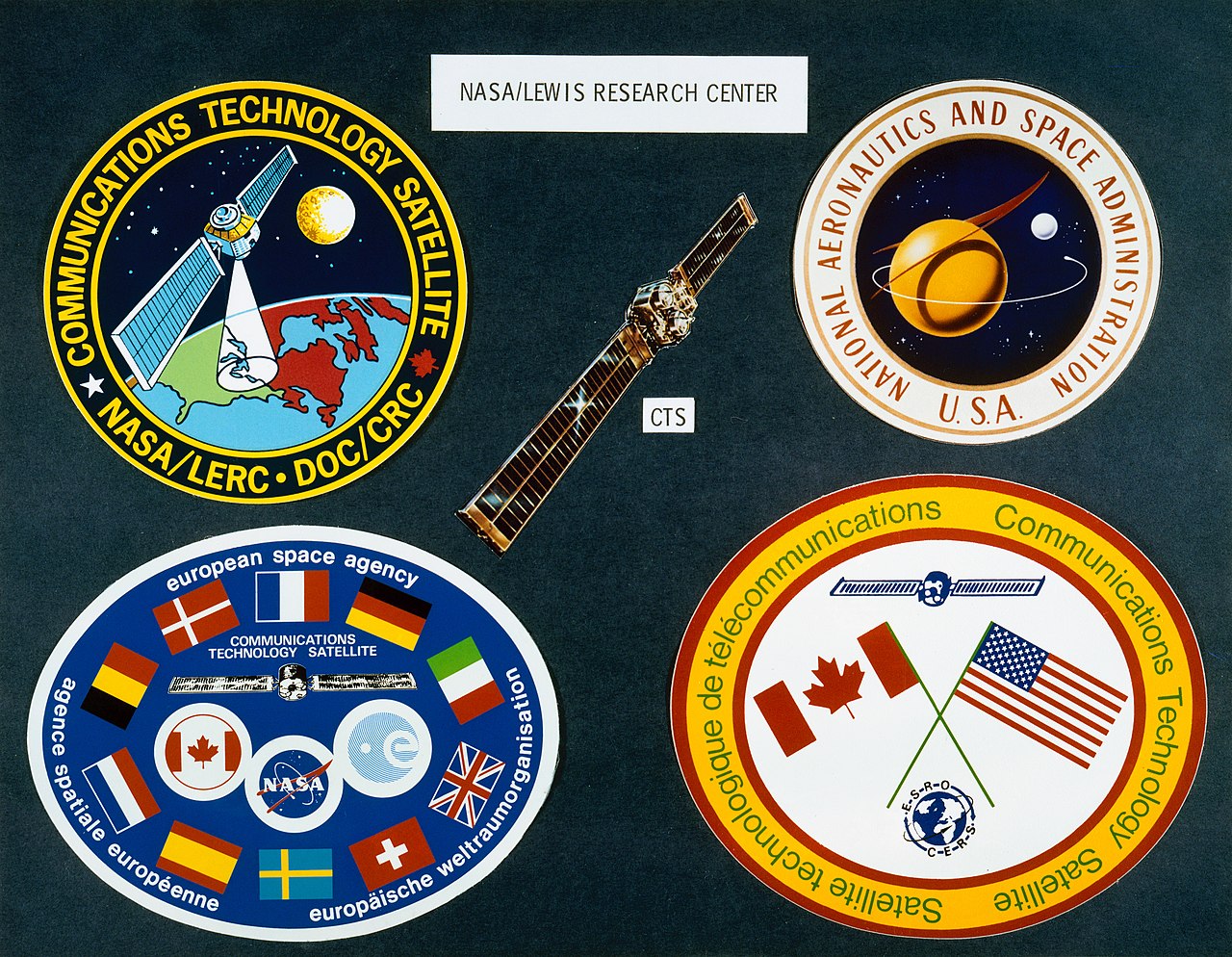
The National Aeronautics and Space Administration (NASA) currently conducts deep-space and interplanetary research through various existing centers and partnerships, but lacks a dedicated university-affiliated research center specifically designed to coordinate analyses and engineering support for missions beyond Earth orbit. Universities, federally funded research centers, and nonprofit research institutions already participate in NASA research efforts, but no unified structure exists to systematically convene academic and private-sector partners for cis-lunar and deep-space work. This fragmentation can slow innovation and limit the efficiency of public-private collaboration on advanced space missions. The Space Research Innovation Act directs the NASA Administrator to establish a university-affiliated research center focused on deep-space and interplanetary research. The center must fund analyses and engineering support for cis-lunar and deep-space missions, and must demonstrate accountability for technical quality while building expertise in convening academic and private-sector groups to facilitate research partnerships. NASA must develop and implement policies governing participant selection, cooperative agreements, contract awards, and required technical capabilities. Eligible participants include institutions of higher education, operators of federally funded research and development centers, and nonprofit research institutions. The center will operate under NASA's existing authority under federal law, meaning no new appropriations are explicitly mandated by the bill itself—funding would come through NASA's regular budget process. Implementation begins once the Administrator establishes the center's governance structure and selection criteria. The center will function as a hub coordinating existing academic and private resources rather than replacing current NASA facilities. This structure is expected to accelerate technology development for lunar and Mars missions by reducing coordination barriers and creating a single point of contact for universities and companies seeking to contribute to deep-space research.
Science, Technology, Communications
Latest updateJan 3, 2025
Referred to the House Committee on Science, Space, and Technology.
Science, Technology, Communications
Science, Technology, CommunicationsHR-46-119Latest action: Jan 3, 20252 readersIn Committee
Rural Broadband Window of Opportunity Act
Sponsored by Jack Bergman
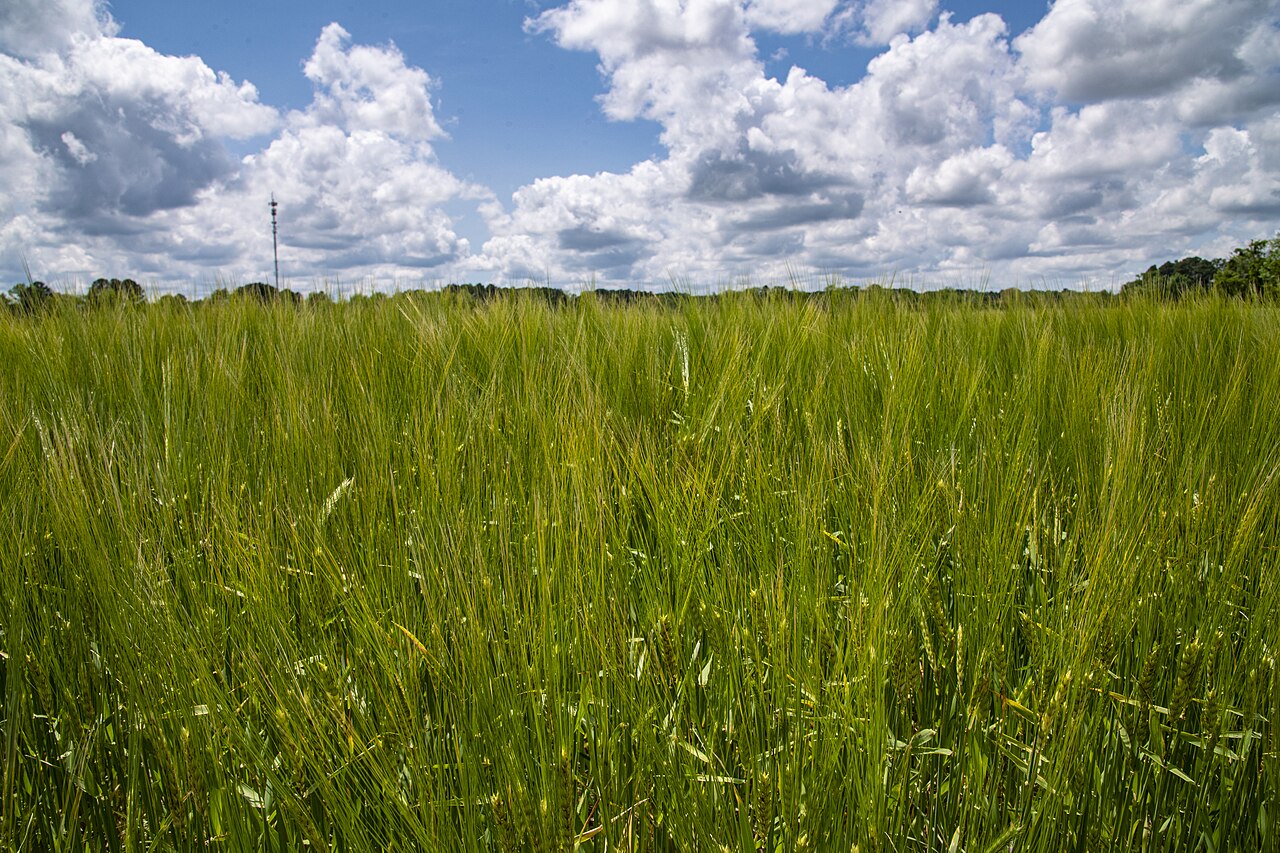
The Rural Digital Opportunity Fund Phase II is a Federal Communications Commission auction designed to bring broadband service to underserved rural areas. Winning bidders must submit detailed long-form applications and construction plans for FCC approval before they can begin building out networks. Currently, the FCC processes these applications in the order received, without regard to geographic differences in construction timelines. Service providers in regions with short construction seasons—particularly areas with long winters and heavy snowfall—face a disadvantage because they have compressed windows to complete infrastructure work, yet their applications may be processed months after submission, eating into their limited building season. The Rural Broadband Window of Opportunity Act directs the Federal Communications Commission to prioritize the processing of long-form applications and related paperwork submitted by Rural Digital Opportunity Fund Phase II auction winners operating in geographic areas with the shortest construction seasons. The FCC must identify which regions have the most constrained building windows and expedite review of applications from service providers serving those areas. This ensures that applicants in snow-heavy regions receive approval in time to begin construction during their narrow seasonal window, rather than waiting through the winter only to receive approval when construction is no longer feasible. The bill takes effect immediately upon enactment and requires no new funding—the FCC will reorder its existing application review workflow. Implementation involves the Commission establishing criteria to identify short-season regions and flagging qualifying applications for accelerated processing. The change affects only the timing of approvals, not the standards or requirements applicants must meet. By reducing delays for weather-constrained providers, the bill aims to accelerate network deployment in rural areas and prevent qualified bidders from forfeiting their awards due to missed construction deadlines.
Science, Technology, Communications
Latest updateJan 3, 2025
Referred to the House Committee on Energy and Commerce.
Science, Technology, Communications
Science, Technology, CommunicationsHR-139-119Latest action: Jan 3, 20250 readersIn Committee
Sunshine Protection Act of 2025
Sponsored by Vern Buchanan
Currently, the Uniform Time Act of 1966 establishes a temporary period each year when daylight saving time is in effect, typically from mid-March to early November. During this period, clocks are set forward one hour. The law also allows states and certain areas within states to exempt themselves from daylight saving time and remain on standard time year-round. However, no state or region is currently permitted to remain on daylight saving time permanently; they must either observe the annual clock changes or stay on standard time. The Sunshine Protection Act of 2025 repeals the temporary daylight saving time period and makes daylight saving time permanent nationwide. The bill amends the Calder Act of 1918 to adjust the time zone offsets from the prime meridian, effectively locking the country into daylight saving time year-round. States and areas that have previously exempted themselves from daylight saving time under current law retain the option to remain on standard time if they choose, or they may adopt the new permanent daylight saving time. The bill preserves state flexibility by allowing each state to decide whether to observe permanent daylight saving time or permanent standard time. The change takes effect upon enactment, eliminating the twice-yearly clock adjustments that currently occur. No new federal funding is required, as the bill operates within existing timekeeping authority. The shift affects scheduling across transportation, commerce, and daily life—sunrise and sunset times will shift one hour later year-round compared to current standard time. States that choose permanent standard time will maintain their existing practices, while those adopting permanent daylight saving time will experience extended evening daylight throughout the year, including winter months.
Science, Technology, Communications
Latest updateJan 3, 2025
Referred to the House Committee on Energy and Commerce.
Science, Technology, Communications